The Science Behind Core Strength: Why Unconventional Exercises Matter
The concept of core strength extends far beyond simple abdominal exercises; it encompasses the muscles that stabilize and support the spine, pelvis, and shoulders. Core strength is vital for overall body stability and functional movement, enhancing athletic performance and reducing injury risk. Traditional exercises like crunches or sit-ups may focus solely on the abdominal region, but they often neglect the surrounding muscles. Incorporating unconventional exercises such as stability ball drills, kettlebell swings, or even Pilates can activate a wider range of muscle groups, ensuring that the entire core is engaged.
Unconventional exercises also promote better movement patterns and posture, serving as essential components in any strength training regimen. For instance, exercises like the Turkish get-up not only challenge core stability but also improve flexibility and coordination. By engaging in a varied workout routine that includes these unconventional exercises, individuals can develop a more resilient core that supports their daily activities and athletic endeavors. Ultimately, understanding the science behind core strength highlights the importance of a comprehensive approach to fitness that goes beyond conventional methods.
5 Uncommon Core Exercises to Ignite Your Workout Routine
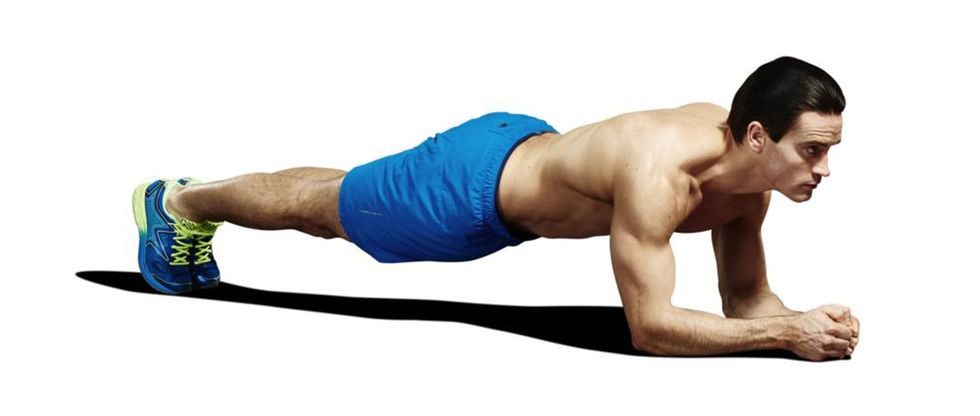
When it comes to enhancing your fitness routine, incorporating uncommon core exercises can provide an exciting challenge and ignite your workout motivation. Traditional sit-ups and planks have their benefits, but venturing into less conventional territory can boost your core strength and stability in unique ways. For example, the stability ball roll-out not only targets your abdominals but also engages your shoulders, back, and glutes. Another underrated exercise is the hanging knee raise, which requires you to lift your knees toward your chest while hanging from a bar, providing an intense workout for both your core and grip strength.
Additionally, consider adding bird-dogs to your routine, where you balance on all fours and extend opposite limbs, promoting core stability while challenging your coordination. The landmine rotation is another fantastic option. This exercise involves rotating a barbell anchored in a landmine attachment, activating your obliques and improving your rotational strength. Lastly, try the body saw, which involves using a slider under your feet while in a plank position to slide back and forth, emphasizing core activation throughout. By including these 5 uncommon core exercises, you can take your fitness journey to new heights and keep your workouts both effective and enjoyable.
Are You Ready to Transform Your Core? Discover Unique Moves That Challenge You
Are you ready to transform your core? Building a strong core is essential not only for athletes but for anyone looking to enhance their overall fitness. It's time to move beyond traditional crunches and planks to discover unique moves that truly challenge you. Incorporating exercises like landmine twists or hanging leg raises can significantly engage your core muscles and improve stability, balance, and strength. These innovative movements not only activate your core but also work synergistically with other muscle groups, offering a comprehensive workout.
To help you get started, here are three unique moves to challenge your core:
- Stability Ball Rollout: Kneel with a stability ball in front of you. Roll the ball forward while maintaining a straight line from your knees to your head, feeling the tension in your core. Roll back to the starting position.
- Russian Twists with a Medicine Ball: Sit on the floor with your knees bent. Hold a medicine ball with both hands and lean back slightly. Rotate your torso to one side, then the other, while tapping the ball on the floor beside you. This move not only targets your obliques but also engages your entire core.
- Dead Bug Variations: Lie on your back with your arms pointed towards the ceiling and your knees bent at a 90-degree angle. Slowly lower one arm and the opposite leg to the floor, then return to the starting position. This anti-extension exercise is great for strengthening the deep core muscles.